


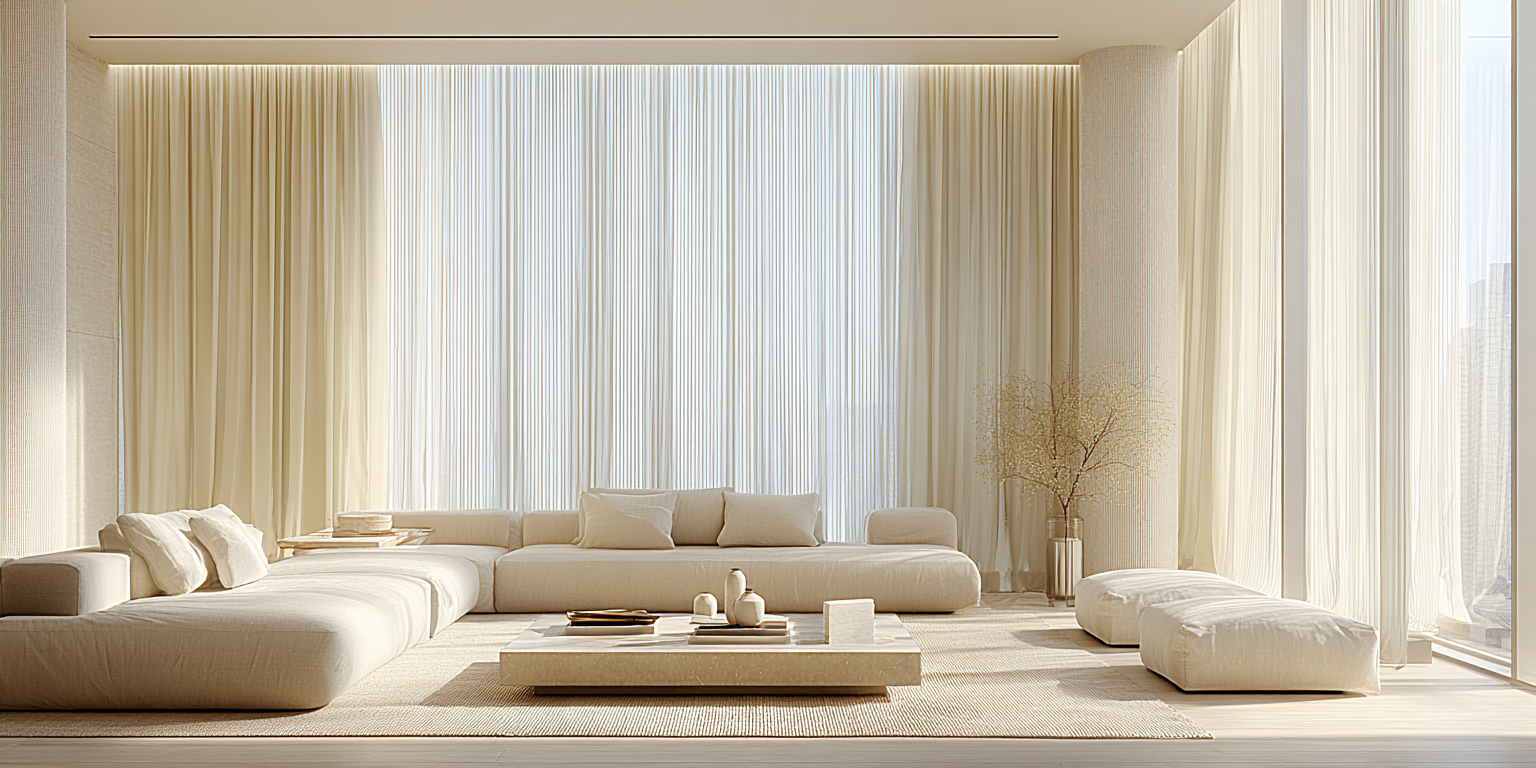
Explore Our Range:
Roof Window Blind Systems

Roof window blinds are essential for creating comfortable and aesthetically pleasing spaces in modern architecture. These blinds not only control light but also enhance privacy and energy efficiency. With precision-engineered designs, they seamlessly integrate into various architectural styles, offering a refined solution for both residential and commercial projects. The ability to sculpt light and frame views makes them an indispensable component in any design-focused environment. By choosing high-quality materials and innovative mechanisms, roof window blinds provide long-term value, ensuring durability and ease of use. Additionally, modern blinds come with smart technology options, allowing users to adjust settings via remote controls or smartphone apps, offering convenience and adaptability to changing needs. Furthermore, the latest models include features like automated timers and weather sensors, which optimize performance by adjusting to external conditions, enhancing user comfort.

Enhancing architectural elegance
Roof window blinds are more than just functional additions; they are integral elements that enhance the architectural elegance of any space. By sculpting light and framing views, these blinds provide a refined solution that complements both modern and traditional designs. The precision-engineered systems ensure seamless integration, allowing architects and designers to maintain their creative vision without compromise. High-quality materials and innovative mechanisms offer durability and ease of use, making them a long-term investment in both residential and commercial projects. Moreover, the ability to control natural light and enhance privacy contributes to energy efficiency and comfort, creating a harmonious environment that aligns with sustainable design principles. These blinds not only meet technical requirements but also elevate the aesthetic appeal, ensuring that every project is both functional and visually stunning. Additionally, incorporating elements like automated timers and sensors can further enhance the functionality of these blinds, allowing them to adjust automatically based on sunlight intensity, which can be particularly beneficial in spaces with large glass facades. This adaptability not only optimizes indoor conditions but also reduces energy consumption by minimizing the need for artificial lighting and climate control systems.
Integrating advanced technology
Incorporating advanced technology into roof window blinds enhances their functionality and user experience. Modern systems offer features such as remote control and smartphone app integration, providing convenience and adaptability to changing needs. For those seeking to optimize their projects further, exploring electric skylight shades can offer additional benefits. These systems are designed to seamlessly integrate with existing architecture, maintaining the elegance of the space while providing enhanced control over light and privacy. The use of smart technology allows for automated adjustments based on time of day or weather conditions, ensuring optimal performance and comfort. By choosing systems that incorporate energy-efficient materials, architects and designers can significantly reduce the carbon footprint of their projects, aligning with green building standards and enhancing the environmental credentials of any development. Furthermore, the integration of voice control features can add an extra layer of convenience, allowing users to adjust their blinds hands-free, which is particularly advantageous in spaces such as kitchens or home offices where multitasking is common.
Delivering long-term value
Roof window blind systems are crafted to deliver long-term value through their durability and adaptability. Precision-engineered to meet the demands of various architectural styles, these systems offer a bespoke solution that enhances both functionality and aesthetics. The use of premium materials ensures that the blinds remain a reliable component of any space, providing consistent performance over time. Furthermore, the flexibility to customize these systems allows for tailored solutions that meet specific project requirements, whether in hospitality, healthcare, or luxury residential settings. By focusing on long-term value rather than short-term sales, these systems support sustainable design practices and contribute to the overall success of any architectural endeavor. The ability to seamlessly integrate with smart home technologies further enhances their appeal, offering users a modern, convenient, and efficient way to manage their environment. In addition, the potential for integration with energy monitoring systems can provide valuable insights into energy usage patterns, enabling more informed decisions about energy management and sustainability. This not only supports environmental goals but also offers potential cost savings over the lifespan of the building.
Frequently Asked Questions About Roof Window Blind Systems
How do roof window blind systems support a professional project?
Roof Window Blind Systems support a professional project by connecting curtain movement, privacy, daylight control, and the architectural finish into one coordinated detail. For architects, designers, AV integrators, installers, and project managers, the system is not only a product choice; it affects how the room feels, how the curtain operates, and how consistently the design performs after installation. This is especially important in luxury residences, hospitality suites, meeting rooms, healthcare spaces, and commercial interiors where quiet automation matters. A strong specification starts with the intended use of the space, the desired visibility of the track, and the level of control required by the end user. When the project needs a related solution, motorized skylight shades can help the team compare another path while keeping the same emphasis on precision, smooth operation, and aesthetic integration.
What should be considered before specifying roof window blinds?
Before specifying roof window blinds, project teams should evaluate control method, power planning, track path, motor capacity, fabric weight, service access, and integration with the broader design. The right choice depends on more than the keyword or the product name; it depends on how the system must work once the space is occupied every day. Goelst is strongest when a project requires technical certainty without compromising the architectural concept. That means the track, gliders, controls, mounting details, and service expectations should be considered together instead of separately. For comparison, remote controlled skylight blinds may be useful when the same design brief calls for a related installation detail or a different operating behavior. Related search language for this page may include roof window blind system, rooflight blinds, but the specification should always stay grounded in the actual project requirements.
Can roof window blind systems be customized for non-standard spaces?
Yes. Many projects need a curtain or drapery system that responds to conditions such as unusual dimensions, curved paths, recessed ceilings, high-use environments, or a very specific visual finish. That is where Goelst’s combination of engineering knowledge, product development, and project experience becomes valuable. The goal is to turn light control and privacy into an effortless part of the room experience while giving the specification team a solution that can be coordinated with the architecture. Roof Window Blind Systems can be assessed for large spans, high windows, smart-home integration, hospitality rooms, and multi-zone commercial projects, with the final selection shaped by the design intent and technical constraints. If the brief requires another route, skylight blinds can support the same search for a tailored, high-performance solution. The relevant Goelst product range for this page includes 6500, 6700, depending on the selected configuration and application.
Our Most Popular Products

6200
6200 with G-Motion – Motorized Track System

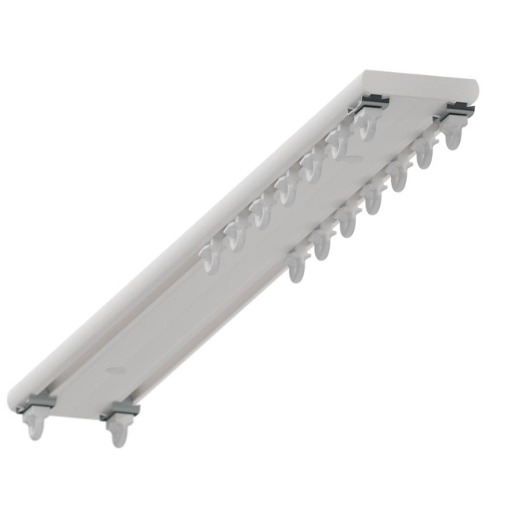
2900
2900 Series – Extra Flat Hand-Drawn Track
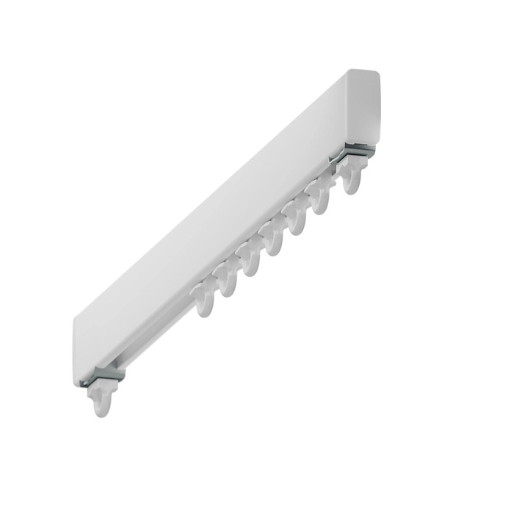
4100
4100 – Compact Hand-Drawn Track

4400
4400 – Elegant Hand-Drawn Track

5100
5100 – Rounded Cord-Operation Track

4014
FLOW – Elegant and Stylish Glider

4014
SWING – Practical and Stylish Glider
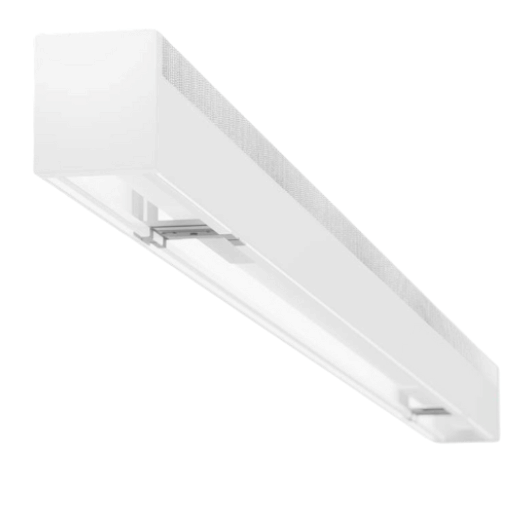
7700
7700 – Motorized Roman Blind System

1
LRS – Load Release System

